Why Micro-Commitments Work Better Than Willpower for Building Habits
Sarah sat in her car after work, staring at her untouched gym bag in the back seat.
This was the third week in a row she had skipped her “60-minute workout routine”, the same routine she had committed to on January 1st with so much conviction.
Her phone buzzed. A calendar reminder: “Workout at 6 PM.” She sighed, deleted it, and drove home.
There was no problem with Sarah → It was her approach
The Willpower Myth That’s Killing Your Progress
Willpower is a terrible strategy.
Research from Dr. Wendy Wood at the University of Southern California found that nearly 40% of our daily actions are driven by habits rather than conscious decision-making Nozbe.
But you do the opposite. You set massive goals, rely entirely on motivation, and wonder why they crash within weeks.
Studies show habit formation takes an average of 66 days to reach automaticity, far longer than the popular “21-day” myth PubMed Central.
Why Tiny Habits Actually Work
Tiny habits aren’t about lowering your standards. They’re about building trust in yourself.
When you promise to “read 30 pages daily” but you haven’t picked up a book in months, your brain doesn’t believe you. You’re asking for a commitment you can’t keep yet.
But when you say, “I’ll read 1 page after I brush my teeth,” that is different. That is doable. That is a promise you can actually keep.
Here’s what happens when you nail a tiny habit:
- Your brain registers a win (even if it’s small)
- Dopamine fires (you feel good)
- Trust builds (you showed up)
- Repetition becomes automatic
And that is when magic happens.
The Formula: Anchor + Tiny Habit + Celebratin
Forget complex systems.
Here’s what works:
1. Pick an existing anchor Something you already do daily without thinking: brush teeth, make coffee, sit at your desk, open your laptop.
2. Attach a tiny habit: The smallest version of your desired behaviour. Not “work out for an hour.” Just “do 1 pushup.”
3. Celebrate immediately. Say “nice,” fist pump, smile — something that feels natural to you.
Dr. Fogg’s research shows gratitude interventions using the Tiny Habits method showed measurable improvements in well-being when practiced consistently PubMed Central.
Real Example: From 1 Pushup to Full Routine
How it actually plays out:
Week 1: After brushing teeth → 1 pushup → “Got it”
Week 2: Still just 1 pushup (building the pattern)
Week 3: 1 pushup feels automatic, sometimes do 2–3
Month 2: 10 pushups without thinking about it
Month 6: Full morning workout, zero willpower needed
Notice what didn’t happen? → No motivation speeches → No forcing → No “just push through.”
The behaviour became automatic because you made it stupidly simple at the start.
Your Brain Doesn’t Care About Size
Your brain cares about repetition, not intensity.
Doing 1 pushup for 100 days beats doing 50 pushups twice. Because you’re wiring the behaviour into your brain’s autopilot system.
Once the behaviour is wired? You can scale it.
But if you skip the wiring phase and go straight to “scale,” you’re building on sand. And sand doesn’t hold.
The System That Actually Sticks
- Students are struggling with study habits.
- Young professionals are trying to build morning routines.
- Creators are attempting to publish consistently.
- Entrepreneurs working on discipline.
They all face the same problem: too much ambition, not enough system.
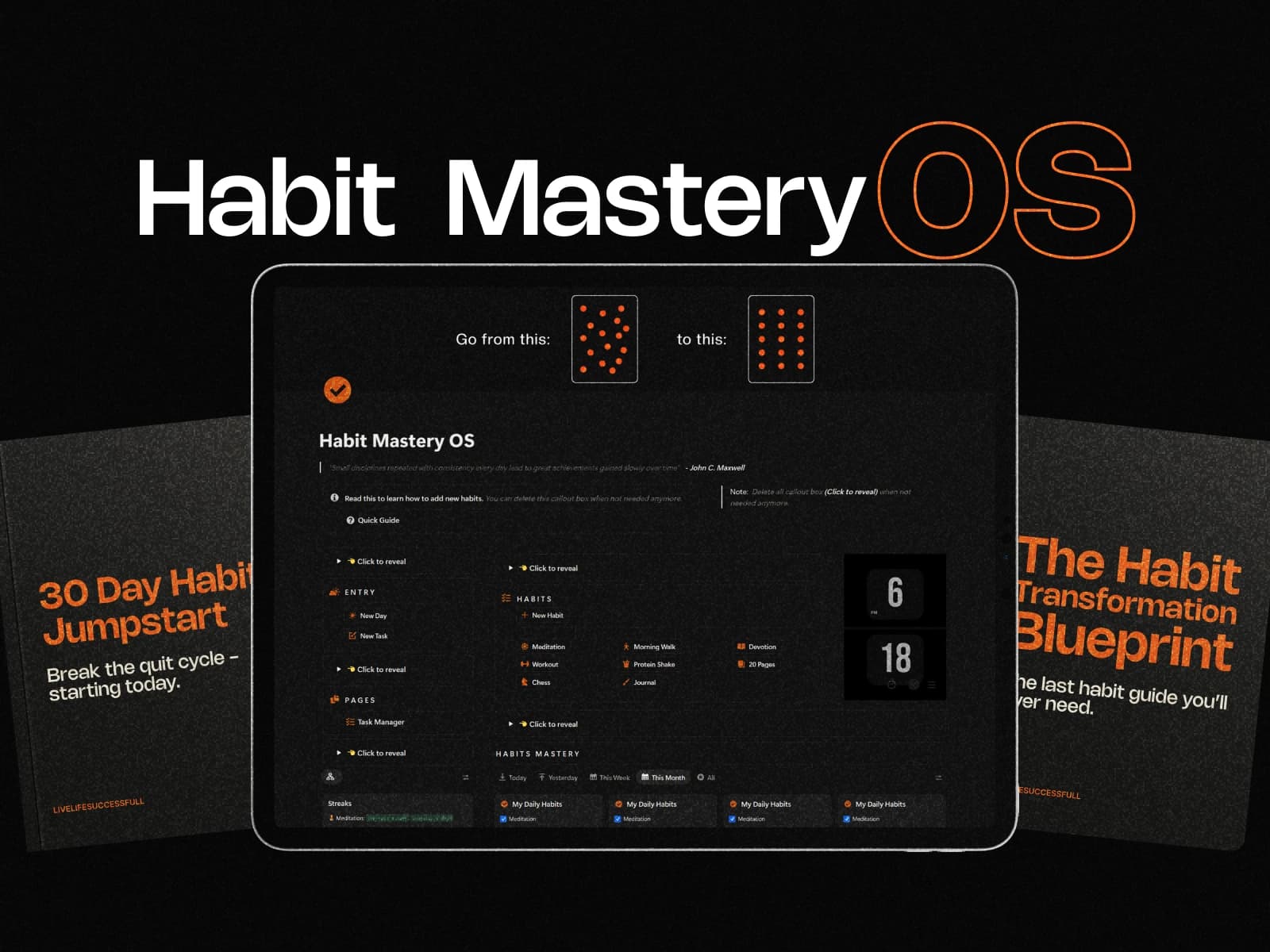
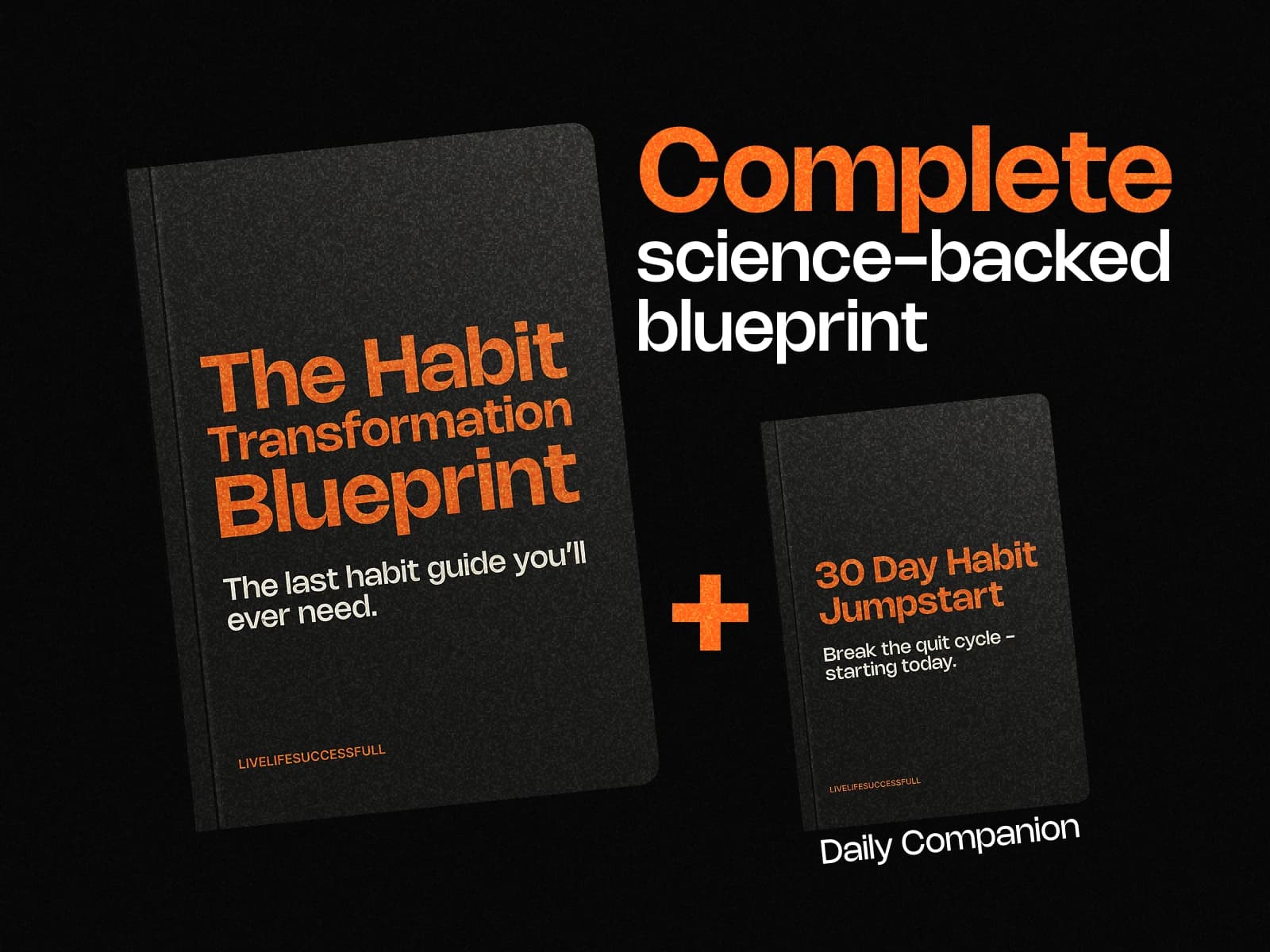
This is where our Habit Mastery System comes in. Instead of giving you motivation (which runs out), it helps you build a personalized habit architecture that runs on autopilot.
Think of it like this: motivation gets you to the gym once. Systems get you there 200 times without thinking.
The Habit Mastery System isn’t about adding more to your plate. It’s about designing micro-commitments so simple, so seamlessly integrated into your day, that skipping them feels weird.
For students: This might look like opening your textbook for 1 minute after your first class.
For young professionals: Taking 3 deep breaths before checking your morning emails.
For creators: Writing 1 sentence after opening your laptop.
For entrepreneurs: Reviewing 1 metric right after your morning coffee.
The behaviour is tiny. The consistency is what compounds.
What The Research Actually Shows
A 2023 machine learning study published in PNAS analyzing over 12 million gym visits found something crucial: gym habits take months to form, with habit formation speed varying significantly between behavioural domains PNAS.
Not weeks. Months.
This means you need to give yourself time. And the best way to ensure you stick around long enough to see results?
Research also confirms that missing the occasional opportunity to perform the behaviour did not seriously impair the habit formation process PubMed Central.
So if you skip a day? No big deal. Just pick it back up tomorrow.
The 3 Mistakes That Kill Tiny Habits
-
Scaling too fast. You do 1 pushup for 3 days, feel good, and jump to 50. Then you skip. Then you quit. Keep it tiny until it’s automatic.
-
Skipping the celebration feels cheesy? Doesn’t matter. Your brain needs the dopamine hit. Even a small “yes” or smile after completing the habit reinforces the behaviour. Don’t skip this step.
-
Tracking outcomes instead of reps. Don’t track “did I lose weight.” Track “did I show up.”
Start Stupidly Small
If your habit feels achievable, make it smaller.
If it feels easy, make it smaller.
If it feels embarrassingly small, you’re probably at the right size.
That is the difference between trying to change and actually changing. Your Next Step
You need a system that makes showing up easier than not showing up.
Pick 1 tiny habit today. Attach it to something you already do. Do it for 7 days. Don’t scale. Don’t judge. Just show up.
Sarah, the woman from the beginning of this article, didn’t magically find motivation. She changed her promise. Instead of “work out for 60 minutes,” she started with “change into workout clothes after work.”
Week 1: She just changed clothes, then sat on the couch.
Week 2: Changed clothes, did 5 squats.
Month 2: Changed clothes, worked out for 20 minutes.
Month 6: Full workout routine, barely thinking about it.
The tiny habit became automatic. The rest followed naturally.
So what’s your version of “change into workout clothes”, the tiniest first step that’s impossible to fail?